
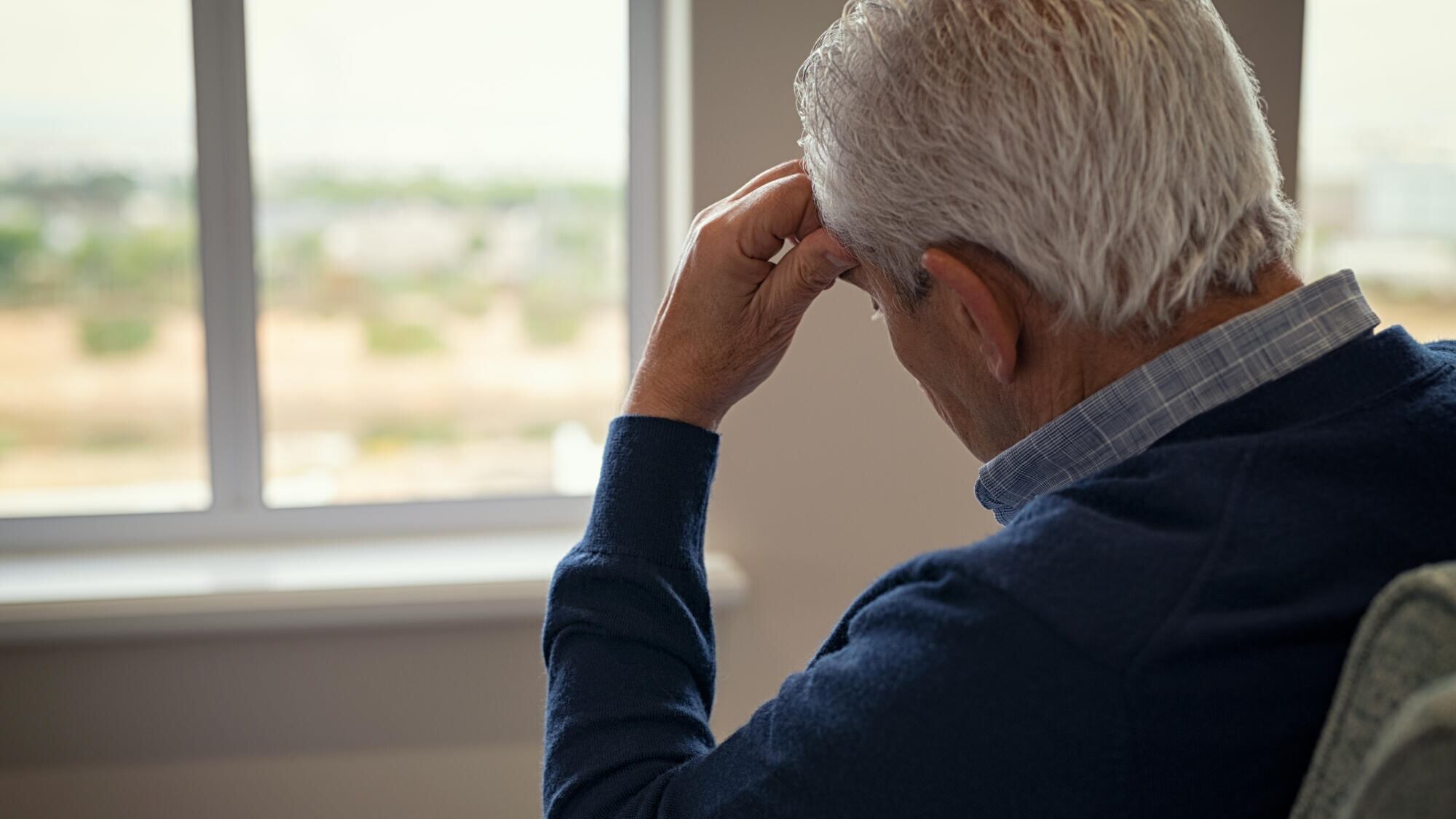
In nursing homes, abuse and neglect both qualify as serious situations. However, there's a key difference between them, and it comes down to intent.
Why is the distinction between nursing home neglect and abuse so important? Simple: it influences your legal options for getting fair compensation. With one in five seniors reporting abuse (source: PubMed), it pays to know your rights.
The Difference Between Abuse and Neglect
The defining difference between abuse and neglect lies in intent. Abuse implies active harm, and neglect involves harm through carelessness or inaction.
Though both elder care issues require immediate attention, this difference is far from academic. Establishing intent is often the first step in proving abuse. If this isn't an option, the focus will shift to proving that the facility failed in its care.
What Are Examples of Nursing Home Abuse?
Intentional abuse can take many forms. Recognizing them is crucial for protecting your loved one. Some examples of nursing home mistreatment include:
- Physical abuse: Hitting, force-feeding, or inappropriate use of restraints
- Emotional abuse: Threats, insults, isolation, or humiliation
- Financial exploitation: Unauthorized use of a resident's assets
- Sexual abuse: Any non-consensual sexual contact
Any of these examples will justify filing an abuse claim. This is particularly true if you have evidence that proves a pattern of harm or mistreatment. Hire a lawyer to learn more about nursing home abuse liability in South Carolina.
What Are Examples of Nursing Negligence?
Since neglect doesn't involve direct harm, it can be harder to identify in the early stages. Some common signs of neglect in nursing homes are:
- Medical neglect: Not providing prescribed medications or treatments
- Nutritional neglect: Withholding food or water
- Hygiene neglect: Ignoring daily hygiene care needs
- Emotional neglect: Failing to respond to a resident's emotional needs
In many cases, nursing home neglect doesn't stem from cruelty. It can also be a product of poor training, staffing shortages, and so on. Even so, families have the right to pursue a case if this neglect causes harm to their loved ones.
What Are Red Flags in a Nursing Home?
If you're used to visiting a loved one in a nursing home, you may notice signs that something is "off" in their care. Physical indicators of abuse include:
- Poor hygiene
- Unexplained injuries
- Dehydration or weight loss
Emotional and behavioral changes can be harder to notice. One key warning sign involves hesitating to speak in front of the staff. Your loved one may also seem disoriented or show a lack of interest in social activities.
If you notice any of the above signs, your best bet is to take action right away. Report your concerns and document evidence of abuse or neglect. Contact an experienced attorney to start pursuing legal recourse for neglect.
More on Nursing Home Neglect
The bottom line: identifying nursing home neglect or abuse early is essential for preventing future harm. Many of these situations occur due to systemic issues, and as long as they go unchecked, your loved one's safety will be at risk.
At B98.5, we know that retired athletes often require specialized care. Keep reading our content for more elderly safety tips!
This article was prepared by an independent contributor and helps us continue to deliver quality news and information.